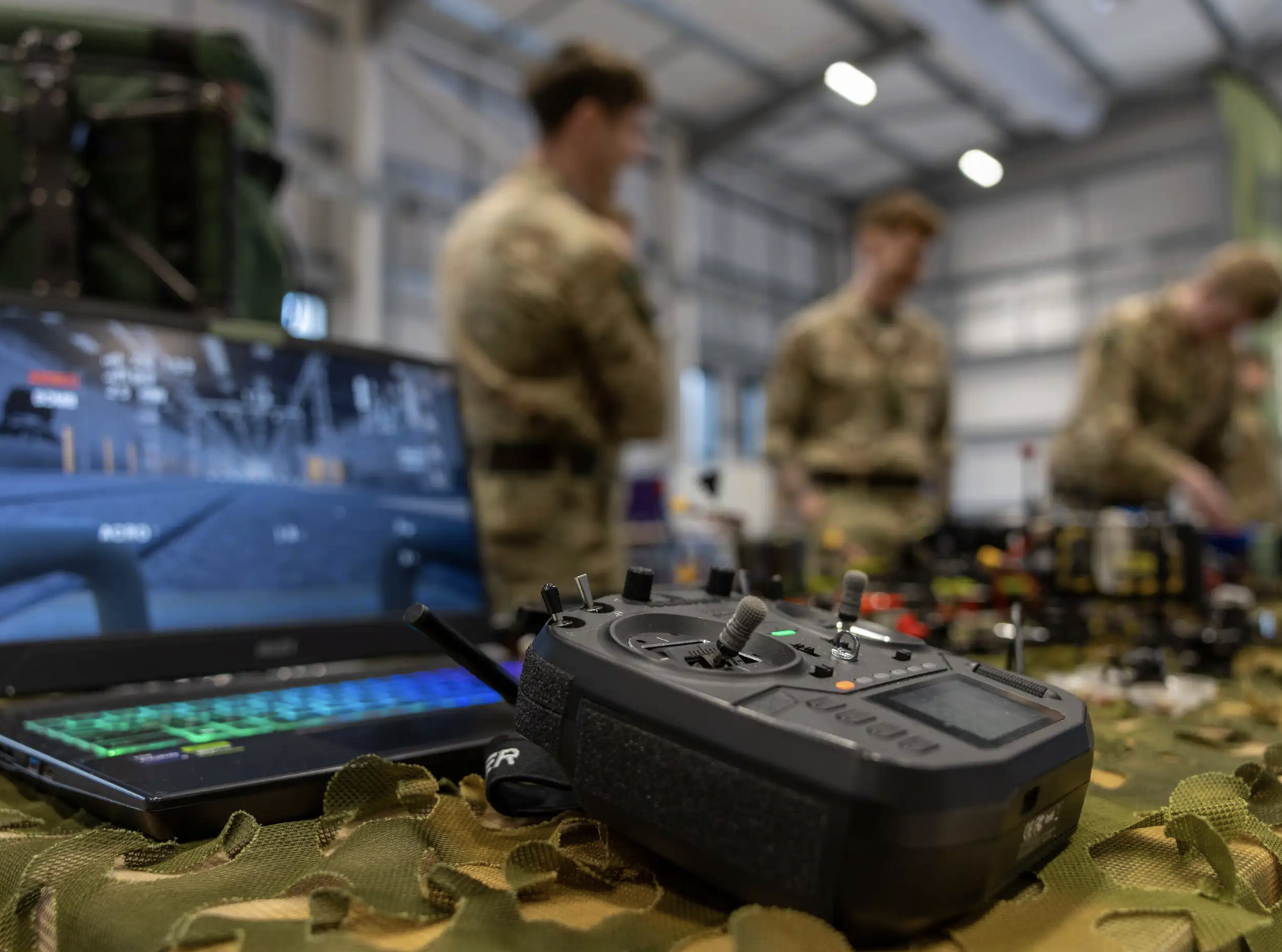
A new defence-focused undergraduate degree aimed at training future drone specialists will launch in Hereford in 2026, as the UK steps up efforts to build homegrown expertise in battlefield technology.
The course will be delivered by the New Model Institute for Technology and Engineering (NMITE) and will open for enrolment from September 2026. It has been backed by a £240,000 investment from the British Army and is designed to fast-track students into careers working with military drone and autonomous systems.
Each year, the three-year degree will train up to 15 civilian students alongside as many as five serving soldiers, focusing on uncrewed aerial systems that have become central to modern warfare. The Armed Forces Minister, Al Carns, visited the Hereford campus this week to mark the announcement.
 |
Get weekly jobs and transition advice. Unsubscribe anytime. |

The course has been shaped by lessons from the war in Ukraine, where drones have played a decisive role in reconnaissance, targeting and combat. Defence officials say the programme will help address growing demand for specialist skills while supporting the UK’s ability to counter drone threats to military sites and infrastructure.
The new degree aligns with the government’s Strategic Defence Review, which set out ambitions to significantly expand the Army’s use of AI, drones and autonomous systems. It also complements recent measures in the Armed Forces Bill to strengthen Defence’s powers to deter and defeat hostile drone activity across the Defence Estate.
Students will complete a Masters of Engineering qualification in a shorter timeframe than traditional university routes, allowing quicker entry into specialist defence and engineering roles. The programme is also intended to support regional growth, with Hereford increasingly positioned as a centre for military technology and innovation.
Speaking during the visit, Al Carns said the course would give young engineers a direct route into critical defence roles while also contributing to wider civilian and commercial advances in drone technology.
NMITE chief executive James Newby said the degree reflected the urgent need for engineers with relevant, real-world skills and would help local young people build long-term careers in defence and advanced engineering.