Tuesday, January 27, 2026

The leading provider of information and opportunities for Service Personnel and Veterans

HomeFeaturesFormer British Army mechanic finds a new mission on the road

Former British Army mechanic finds a new mission on the road
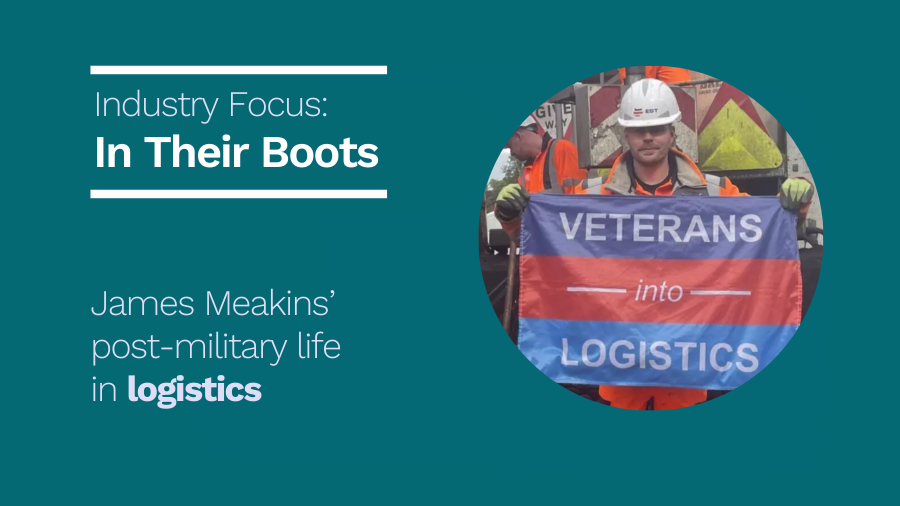
Former British Army mechanic James Meakins now leads by example far beyond the barracks.

Today his “troops” are highway maintenance crews, and his new battlefield is the high‑stakes world of HGV operations and road‑surface logistics. After serving more than a decade repairing vehicles and supporting combat units, Meakins has built a second career behind the wheel, delivering highway‑surface treatments across the UK. His journey from soldier to logistics professional shows how technical expertise, discipline and resilience forged in the forces can translate into a fulfilling civilian vocation.

Duty and discipline: 14 years a REME soldier

Meakins’ story begins in the late 1990s when, aged 17, he enlisted in the Corps of Royal Electrical and Mechanical Engineers (REME). REME provides engineering support to keep the British Army’s vast array of equipment operating; its technicians maintain tanks, helicopters, artillery and vehicles and make daily decisions that “keep fit equipment in the hands of the user”. Over the next 14 years, Meakins trained as a vehicle mechanic and served on operational tours. He deployed to Afghanistan, where his reconnaissance team faced austere conditions, and he was awarded the Operational Service Medal for his efforts.

Life in REME instilled a calm command under pressure. Working in war‑zones demanded quick diagnoses of mechanical failures, improvised repairs and teamwork – skills that would later prove valuable in civilian logistics. By the time he left the Army in 2019, Meakins had matured from a teenage recruit into a seasoned engineer, noted for his discipline and attention to detail. Yet, like many long‑serving soldiers, he began contemplating life beyond uniform and wondered whether his skills would translate outside the wire.

New frontiers: from mechanics to HGV operator

Meakins’ transition into civilian life was anything but straightforward. After leaving the Army, he moved around the country and experienced homelessness. He worked as a self‑employed driver while trying to get back on his feet. Feeling adrift, he reached out to The Royal British Legion, who referred him to Veterans into Logistics – a charity founded by former Royal Artillery gunner Darren Wright. Wright established the organisation in 2020 after losing a close comrade to suicide; the charity mentors and trains veterans for careers in HGV driving and aims to reduce unemployment and homelessness among ex‑forces personnel.

Because Meakins had already earned HGV licences during his REME service, Veterans into Logistics quickly matched him with a role at EST – Eurovia UK, a company specialising in highway surface treatments. The firm provides hotel accommodation for workers and operates seasonally from February to October, an arrangement that fitted Meakins’ itinerant lifestyle. He notes that staying in hotels and moving from one job location to another feels similar to military life, and the 12‑day‑on, 2‑day‑off shift pattern offers structure and camaraderie reminiscent of the services.

In interviews, Meakins urges other veterans to consider the profession. “I’d recommend this career to someone who has left the Forces and is making the transition to civilian life,” he said, stressing the variety of locations and team dynamics. Thanks to the charity’s support and EST’s willingness to employ ex‑forces personnel, the former mechanic found a stable income and regained his sense of purpose.

Steering through roads: thriving in the logistics sector

Once settled into his new role, Meakins found that his military training dovetailed neatly with life on the road. As an HGV operator, he helps deliver Eurovia’s range of highway solutions, travelling across the UK to lay road‑surface treatments. He enjoys the physicality of the work and draws satisfaction from keeping Britain’s roads safe. Meakins emphasises that the job is not monotony or isolation; rather, he works in rotating teams and stays in hotels near the sites. For an ex‑soldier used to deploying with units, this camaraderie and mobility are welcome.

The seasonal nature of highway resurfacing also grants him two months off in winter. He uses this time for travelling – visiting friends in Texas and Disney World – and for outdoor challenges such as the Yorkshire Three Peaks Challenge. To enhance his independence, he bought a Ford Transit high‑top van fitted with living essentials, enabling him to live off‑grid when not accommodated by his employer. The van allows Meakins to pursue his passion for hiking across the UK and avoids rent or Airbnb costs.

Meakins hasn’t stopped learning. Alongside his work he has enrolled in an Open University health course and plans to study physical therapy at university. He credits the Army for instilling a strong work ethic and curiosity to develop new skills. Managers at EST praise his discipline and positive safety culture – traits rooted in his military training. Veterans into Logistics general manager John Harker MBE, himself a former Army major, notes that Meakins’ role provides financial independence and flexibility, allowing him to travel and save money. Harker adds that EST’s shift patterns and accommodation are ideal for veterans seeking to transition into civilian life.

A new mission: advocating for veterans in logistics

While Meakins has not yet taken on an organisational leadership role, he has become an informal ambassador for Veterans into Logistics. He encourages service leavers and veterans to contact the charity, emphasising that the skills learned in uniform – discipline, attention to detail and a focus on safety – are in high demand. His managers echo this, noting that veterans bring a “positive safety culture” and are a “fantastic addition” to the highway maintenance sector.

Veterans into Logistics itself has grown rapidly; it has trained or supported hundreds of ex‑military personnel into HGV driving careers, thanks in part to donations and grants. The Veterans’ Foundation reports that the charity has received almost £200,000 in grants, with each veteran’s training costing around £3,000. Founder Darren Wright, who served five years with the Royal Artillery and undertook tours in Afghanistan, created the organisation after a friend took his own life. Wright argues that HGV driving is the “fastest way of earning decent money,” noting that candidates do not need advanced academic qualifications and can be trained within weeks. Becoming a professional driver requires a full car licence, being over 18 and gaining the Driver Certificate of Professional Competence; training typically costs around £2,000, but the charity covers these costs for veterans.

Serving again by inspiring others

Looking back on his journey, Meakins sees a clear thread connecting his military service and his logistics career. In the Army, he kept critical equipment moving in hostile environments. Today, he keeps Britain’s highways moving, applying the same precision and resilience to resurface roads and support supply chains. His story underlines that military‑learned skills are not only transferable but highly valued in the civilian world.

Meakins often shares his experiences with other veterans, urging them to see beyond initial uncertainty: “The shift pattern is 12 days on and two days off and you could get sent anywhere with the opportunity to work in different teams… Staying in the hotel room is similar to camp accommodation and moving around has parallels to military life”. His message echoes the ethos of Veterans into Logistics – that leaving the forces is not the end of service, but the start of a new mission. From REME mechanic to highway hero, James Meakins demonstrates that with determination, adaptability and support, veterans can steer their lives towards rewarding careers and continue serving their communities in unexpected ways.

RELATED ARTICLES
- Advertisment -

Most Popular