

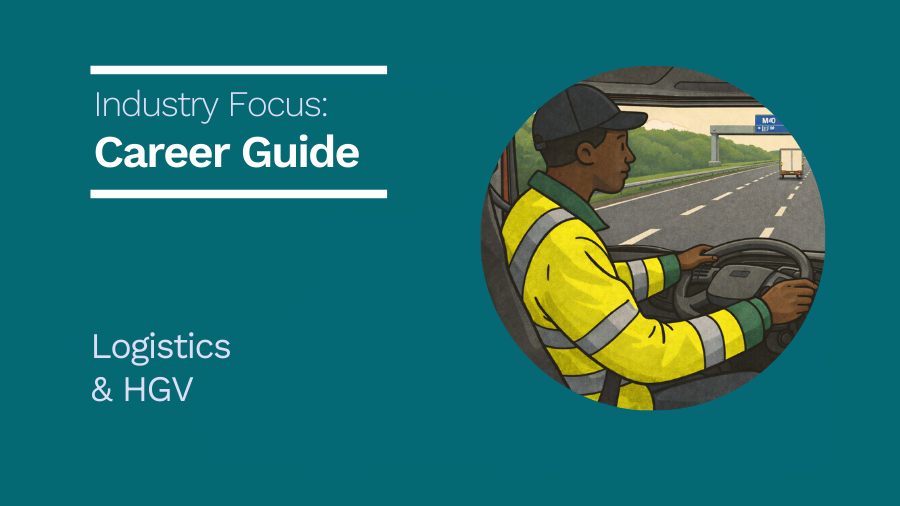
For many service leavers, the transition to civilian life brings a desire for stability, clear career pathways, and work that rewards responsibility and reliability. The logistics and HGV sectors offer exactly that. From national supply chains to local distribution networks, these industries rely on discipline, planning, and operational consistency – qualities ingrained through military service.
Logistics underpins almost every part of the UK economy, from retail and construction to healthcare and defence. Whether behind the wheel of an HGV, coordinating transport operations, or managing warehousing and supply chains, former Armed Forces personnel are well placed to step into roles where precision, accountability, and teamwork matter.
A sector built on transferable skills
Service leavers often underestimate just how closely military experience aligns with logistics work. Planning movements, managing assets, adhering to strict safety standards, and operating under time pressure are all core components of both military operations and civilian logistics.
Attention to detail, situational awareness, and the ability to follow procedures are highly valued in transport and warehousing environments. Those with experience in stores, movements, transport, or logistics units will find familiar structures in civilian supply chain roles. Leadership experience also transfers well into supervisory and management positions.
Crucially, employers across the logistics sector recognise the reliability and work ethic associated with military backgrounds, particularly in safety-critical roles.
HGV driving as a civilian career
HGV driving remains one of the most direct and accessible career routes for service leavers. The sector continues to face skills shortages, and demand remains strong across general haulage, retail distribution, construction logistics, waste management, and specialist transport.
For many veterans, HGV driving offers a clear qualification pathway, competitive pay, and flexible working patterns. Roles can range from local day routes to long-distance trunking, depending on lifestyle preferences. Some drivers value the independence of the role, while others prefer structured shift patterns within larger fleets.
Military driving experience does not automatically convert to civilian licences, but it can provide a strong foundation for training. Funding support may be available through resettlement schemes to cover licence acquisition and Driver CPC requirements.
Beyond the driver’s seat
The logistics sector extends far beyond driving roles. Warehousing, transport planning, fleet management, compliance, and supply chain coordination all require skilled personnel with operational awareness.
Service leavers with experience in logistics planning, movements control, or equipment management may find opportunities as transport planners, warehouse supervisors, or operations coordinators. These roles involve managing schedules, overseeing teams, ensuring regulatory compliance, and maintaining service levels.
Those with leadership experience may progress into depot management or regional operations roles, where responsibility for people, assets, and performance sits at the core of the job.
Leadership and management opportunities
Logistics is a structured, hierarchical sector where leadership and accountability are essential. Veterans who have managed teams, enforced standards, and delivered results in demanding environments often adapt well to civilian logistics management roles.
Operations managers, fleet managers, and distribution centre leads are responsible for safety, performance, and compliance. These positions require calm decision-making, strong communication, and the ability to balance operational demands with people management – all familiar territory for former service personnel.
For those interested in progression, many large logistics employers offer clear development pathways, internal training programmes, and long-term career stability.
Compliance, safety, and specialist roles
Safety and compliance are central to logistics operations. Veterans with experience in risk management, safety enforcement, or technical roles may find strong alignment with compliance, health and safety, or transport auditing positions.
Specialist roles also exist within hazardous goods transport, abnormal loads, refrigerated logistics, and defence-related supply chains. Those with relevant military experience may find niche opportunities where their background is particularly valued.
Logistics also increasingly relies on technology, creating demand for individuals comfortable with systems, tracking, and data-driven operations.
Training, licences, and funding
Entering the logistics and HGV sector does require civilian qualifications, particularly for driving roles. HGV licences, Driver CPC certification, and medical assessments are mandatory, but structured training routes are widely available.
Service leavers can use resettlement funding, including Enhanced Learning Credits, to support licence acquisition, transport management qualifications, or health and safety certifications. Many employers also offer funded training or licence support in return for a commitment period.
Understanding regulatory requirements early in the transition process can help service leavers plan effectively and avoid delays.
Finding opportunities
Logistics employers actively recruit veterans, recognising their operational mindset and reliability. The MOD Career Transition Partnership regularly advertises logistics and driving roles suitable for service leavers and can provide guidance on training pathways.
Specialist recruitment agencies, logistics job boards, and large national operators also offer veteran-friendly recruitment schemes. Networking remains valuable, particularly for regional and depot-based roles, where local knowledge and recommendations can make a difference.
For service leavers seeking a practical, stable civilian career with progression opportunities, logistics and HGV roles offer a strong option. Whether behind the wheel, coordinating operations, or leading teams, the sector rewards responsibility, consistency, and professionalism.
The structure, discipline, and mission focus developed in the Armed Forces translate naturally into logistics – keeping goods moving, systems running, and the country supplied long after service ends. Keep an eye on Pathfinder’s ‘life after service’ series for more insights into civilian career pathways.