

The UK secured more than £20 billion in defence exports in 2025, the highest annual total since records began over 40 years ago. The Government says the results reflect growing international demand for UK-built equipment and the Strategic Defence Review’s aim to make defence an engine for national growth.
Major export agreements this year include the UK’s largest ever warship deal and the biggest fighter jet sale in a generation. Officials estimate the contracts will directly support over 25,000 British jobs for decades, with work spread across supply chains, shipyards and aerospace manufacturing sites.
A £10 billion contract with Norway to export at least five Type 26 frigates is the headline agreement, supporting around 4,000 jobs across 430 UK businesses. The UK and Norway also signed the Lunna House agreement, under which their navies will operate more closely in the North Atlantic.
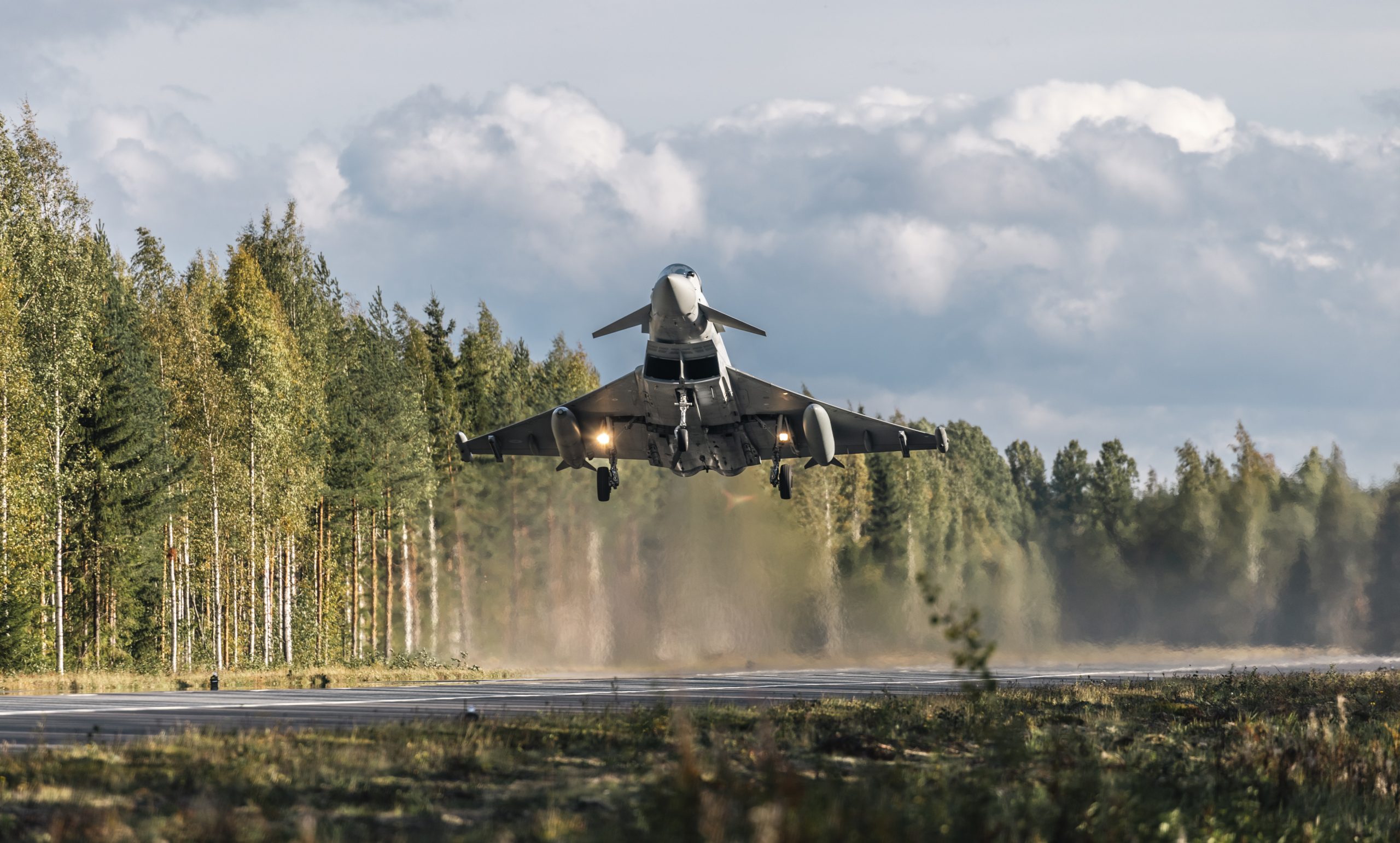
An £8 billion sale of 20 Typhoon aircraft to Türkiye represents the largest fighter jet export deal in a generation, underpinning jobs in Lancashire, Scotland and across the aerospace sector. This is supported by the export of 12 C-130 aircraft to Türkiye, valued at more than £550 million, safeguarding 1,400 jobs in Cambridge.
Other confirmed exports include 18 Supacat vehicles for Czechia’s armed forces. The Government also notes future potential from the new AUKUS treaty, which could generate up to £20 billion in exports and support 21,000 jobs.
Luke Pollard MP, Minister for Defence Readiness and Industry, said:
We are showing again how this government is delivering on our pledge to make defence an engine for economic growth across the country while boosting our security and that of our allies.
By winning the historic deal to build Type 26 frigates for Norway, we are driving growth in Scotland and across the UK while better equipping our combined navies to counter the threat from Russia in the North Atlantic. And by exporting Typhoon fighter jets to Türkiye, we are securing high-skilled jobs in Lancashire, Scotland and across the UK whilst helping strengthen NATO’s southern flank.
We are committed to working with our allies and defence industries to make sure the UK is a leader in global defence exports, and there’s more to come in 2026.
The results come as the Ministry of Defence continues its largest reform programme in half a century, including the formation of the National Armaments Director Group and a new International Collaboration & Exports team.
The UK has also joined the Agreement on Defence Export Controls alongside France, Germany and Spain, which is intended to simplify export processes and provide UK businesses with easier access to partner markets.
Rupert Pearce, National Armaments Director, said:
These export successes reflect the NAD Group’s mission to strengthen international partnerships while driving economic growth at home.
By working as one integrated organisation, we’re facilitating access to UK defence capability for our allies to access world-leading UK defence capability, creating jobs and prosperity across the country whilst building the collective deterrence we all need.
Avril Jolliffe, Director General of International Collaboration and Exports, added:
Global security demands an always-on approach to international collaboration and exports.
As announced in the Strategic Defence Review, we’re creating a single point of focus that connects UK industry directly with international opportunities.
This isn’t just about selling equipment – it’s about building defence partnerships that support collective security and UK economic objectives.
Government and industry officials expect further export announcements in 2026, with a focus on systems including advanced aircraft, maritime technology and armoured vehicles such as Boxer.