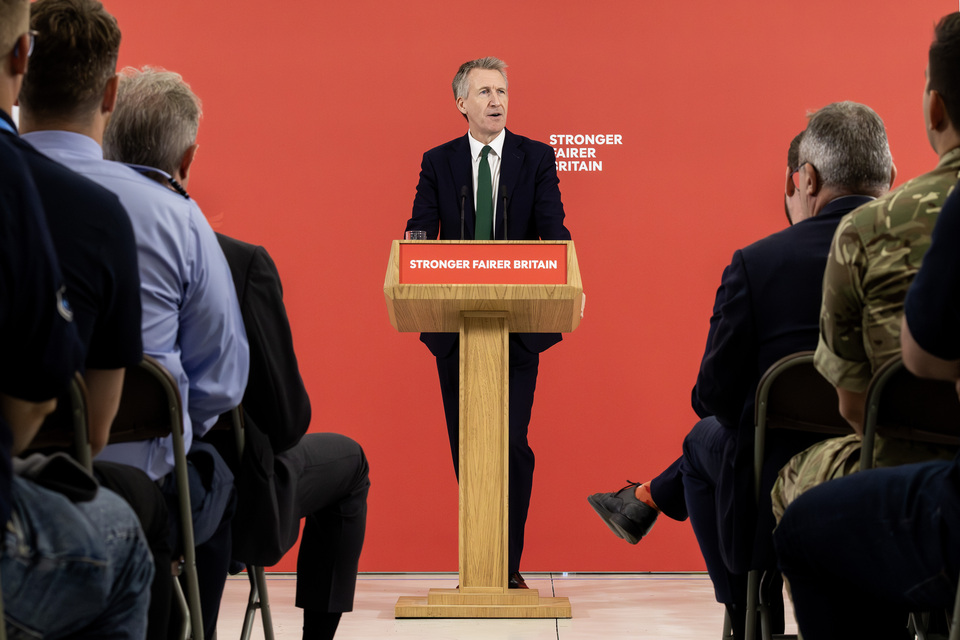
The Government has announced a £15 billion funding boost for defence equipment and technology as part of a wider plan to transform the UK Armed Forces.
The Defence Investment Plan will be backed by £298 billion over the next four years, including £15 billion of additional spending on top of last year’s Spending Review.
The Government said the funding will support military readiness, accelerate drone and autonomous systems development, strengthen future fighter jet programmes and support the UK’s nuclear deterrent.
 |
Get weekly jobs and transition advice. Unsubscribe anytime. |
Prime Minister Keir Starmer announced the investment during a speech at Malloy Aeronautics.
The Ministry of Defence said annual defence funding will rise from £54 billion under the previous government to almost £80 billion by 2029. It said defence spending will increase to 2.7% of GDP, putting the UK on track to meet NATO’s defence spending targets by 2035.
The Government said the spending increase is expected to create nearly 60,000 additional direct and indirect jobs in UK industry by the end of the decade, taking forecast defence spending-related jobs supported in the UK to more than half a million.
The Defence Investment Plan is intended to deliver the vision set out in the Strategic Defence Review, with investment focused on new equipment, readiness and emerging technologies including drones, autonomy and artificial intelligence.
More than £8 billion will be invested over the next four years in the Global Combat Air Programme, the UK-led collaboration with Japan and Italy to develop a next-generation stealth fighter aircraft for the Royal Air Force.
More than £63 billion will be spent over the same period on strengthening the UK’s nuclear deterrent, including funding for Dreadnought and SSN-AUKUS submarines, a new warhead and other nuclear work. The Government also confirmed plans to purchase 12 F-35A aircraft and join NATO’s nuclear mission.
The plan includes £26 billion over the next decade for Project Royal Oak, described as the biggest naval base upgrade for more than 45 years. This will include major upgrades at Faslane, Portsmouth and Devonport.
More than £5 billion will be invested over the next four years in drone transformation across the Armed Forces. This includes £650 million for low-cost expendable autonomous systems, including drones and uncrewed ground vehicles, for the Army, Commando Force and Special Forces.
Nearly £2 billion will be used to integrate the Armed Forces through a new Digital Targeting Web, designed to support faster decision-making and the quicker destruction of identified targets using AI and software.
The plan also includes £790 million over four years to strengthen protection of the UK homeland and overseas bases from air, drone and missile threats. Measures include new radars and sensors, investment in directed energy weapons, Sea Viper upgrades for Type 45 destroyers, expanded counter-drone systems and a new Integrated Air, Space and Missile Defence Operations Centre.
The Government has also committed £11 billion for munitions and weapons to increase UK stockpiles, including long-range strike weapons, low-cost cruise missiles and one-way effectors. By 2030, it said at least six new energetics factories will be built and national munitions production capacity increased.
A further £900 million will be invested in procurement reform and efficiency, including a £500 million Transformation Fund for AI and workforce changes, and an initial £400 million contribution to setting up the Multilateral Defence Mechanism.
The plan also includes £100 million for the Prime Minister’s Rapid AI Delivery Taskforce, known as RAID, to accelerate AI-enabled capabilities into the Armed Forces.
The Government said an additional £115 million will be invested to strengthen UK defences against AI-related threats, including using AI to improve biosecurity and reduce risks from autonomous AI agents.
Prime Minister Keir Starmer said: “This record investment puts the security of the British public first, transforming our Armed Forces and giving them the funding and equipment they need to fight and defend our nation.
“The world is a more dangerous and volatile place, so it is only right we are boosting the number of troops on the ground, rebuilding ammunition stockpiles and investing in cutting edge technology to ensure we outpace our adversaries for generations to come.
“Every pound in this plan will work twice, delivering economic growth and opportunity for the British people, and supporting more than half a million jobs by the end of the decade, as well as reinforcing our national security.”
Chancellor Rachel Reeves said: “I have boosted defence spending to the highest level since the Cold War – and today’s Defence Investment Plan goes further still, committing almost £300 billion over this Parliament to transform our Armed Forces. That’s more money, spent more effectively, to keep the country safe and back British industry, jobs and growth.”
Defence Secretary Dan Jarvis MBE MP said: “I know first-hand the importance of our Armed Forces having the kit and technology they need to do the difficult job we ask of them.
“I have secured more money and made different choices for defence. We will invest £298 billion over the next four years. That includes an additional £15 billion, of which most is extra day-to-day spending for training and improving availability of ships and aircraft to increase our war-fighting readiness.
“By choosing to embrace new technology, I am equipping our troops with the autonomous systems which will give them the edge on the battlefield.
“This extra money and these choices send a clear signal to our allies and our adversaries alike: Britain is stepping up on security.”
Chief of the Defence Staff Air Chief Marshal Sir Rich Knighton said: “This plan sets out how and where we will invest in defence over the coming years to deliver the Strategic Defence Review and build the integrated force the nation needs.
“It also reflects both the importance of national defence and the vital contribution our Armed Forces make every day to keeping the country safe.”
The Prime Minister also announced a new £50 billion defence export facility, established by UK Export Finance, to help British defence firms win contracts overseas.
The Government said the Defence Investment Plan will be funded by reprioritising public spending, operating within fiscal rules and without taking resources away from day-to-day spending on frontline services.
It said the investment will be supported by efforts to reduce waste and inefficiency, including tackling £250 million of fraud and error and accelerating procurement reform.