1. Introduction
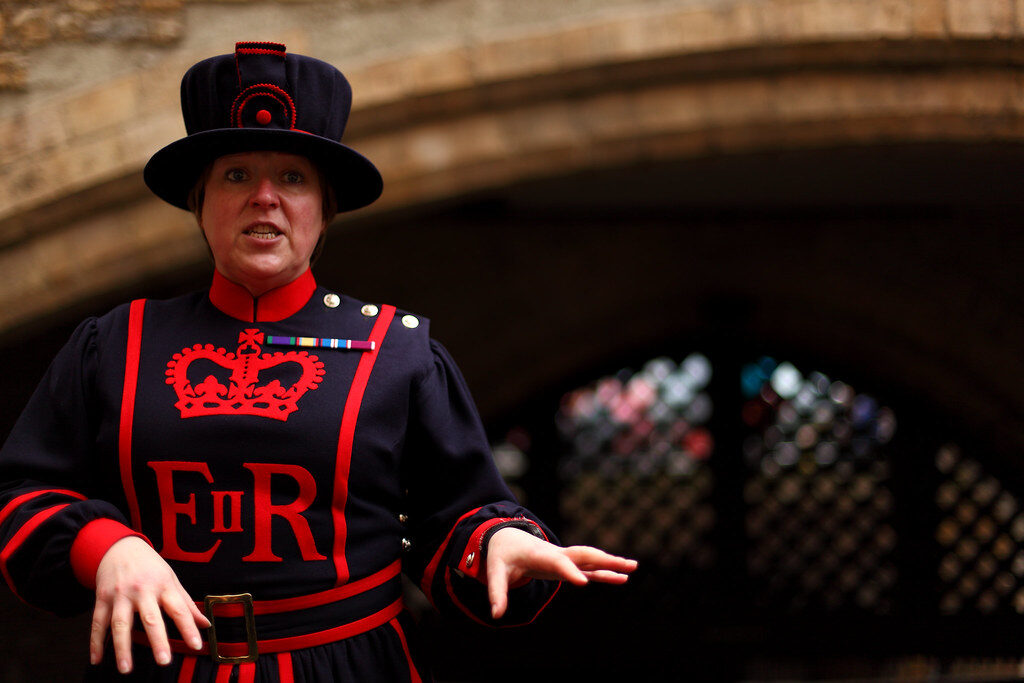
Ceremonial and heritage careers for service leavers and veterans sit in a niche corner of the UK job market. They include public-facing roles at historic sites, protocol-led roles supporting civic or institutional ceremonies, and positions linked to remembrance, commemoration and military heritage. Some jobs are very visible (for example, uniformed roles at major visitor attractions), while others sit behind the scenes (operations, events, education, security or estates support).
This career path can suit service leavers, veterans and ex-military candidates because many employers value calm authority, reliability, standards, and comfort with procedures. A strong service record can help, but it is rarely enough on its own. These jobs often require excellent communication, patience with the public, and the ability to represent an organisation professionally on busy days and in sensitive settings.
Typical employers include public sector bodies (local authorities, government estates and institutions), charities and foundations linked to remembrance, heritage organisations (trusts, royal or historic estates, museums), and private operators delivering visitor services, security, events, retail and hospitality at heritage locations. Working environments range from formal ceremonial settings and high-footfall visitor sites to offices and archives. Some roles are seasonal or contract-based, particularly guiding, interpretation and events work around peak visitor periods.
 |
Get weekly jobs and transition advice. Unsubscribe anytime. |
Military backgrounds that often transition well include: Regimental Duty and discipline-focused roles; training and instructional posts; logistics and planning; security, policing and force protection; engineering and estates-minded trades; and senior NCO/WO roles where standards, presentation and leading people under routine pressure are central. Officers may also translate well into programme, stakeholder, and operations management roles, especially where briefing and protocol matter.
2. Main Career Routes Within Ceremonial, Heritage & Remembrance Roles
A) Front-of-house heritage and visitor operations
What it is: Roles focused on the visitor experience at heritage sites, memorial sites, museums, and historic attractions. This is the largest and most accessible route into the sector.
Examples of job titles: Visitor Experience Assistant/Officer, Duty Manager (Heritage Site), Front of House Supervisor, Site Operations Officer, Visitor Services Manager, Security/Stewarding Supervisor, Gallery/Exhibition Assistant.
Typical responsibilities: Managing visitor flow and safety, supervising teams, responding to incidents, handling customer queries and complaints, coordinating opening/closing routines, working with security and facilities teams, and maintaining standards and presentation. In some sites there is also an element of “ceremonial presence” where uniform, bearing and protocol are important.
Typical entry level: Entry roles may not require formal qualifications, but do require evidence of customer-facing work, responsibility, and reliability. Supervisory roles typically need prior line management, duty management, or operational control experience.
B) Guiding, interpretation and public education
What it is: Roles that explain history, heritage, and remembrance to the public through talks, tours, schools programmes and interpretation materials. This can be a strong fit for those with instructional experience, but it is fundamentally a communications role.
Examples of job titles: Heritage Guide, Interpretation Officer, Learning Assistant/Officer, Education Officer, Tour Guide, Engagement Officer, Living History Interpreter, Battlefield Guide (where available), Volunteer Coordinator (visitor programmes).
Typical responsibilities: Delivering tours and talks, adapting content for different audiences, answering questions with accuracy and sensitivity, supporting school visits, creating or updating interpretation resources, and sometimes supporting commemorative events.
Typical entry level: Many roles accept strong experience (teaching, training, briefing, public speaking) in place of formal heritage qualifications, but employers often look for evidence you can engage non-military audiences. Some guiding programmes are seasonal, fixed-term or part-time and can be a useful bridge while building experience.
C) Ceremonial, protocol and institution-facing roles
What it is: Roles supporting formal ceremonies and protocol-heavy environments. These can exist within civic settings (local government), institutions (parliamentary or ceremonial estates), and major heritage organisations. Vacancies are often infrequent and competitive.
Examples of job titles: Ceremonial Officer, Civic/Mayor’s Attendant, Events and Protocol Officer, House/Estates Attendant, Ceremony Coordinator, Usher (some institutions), Member Services/Event Operations roles with protocol duties.
Typical responsibilities: Planning and delivering ceremonial events, managing guest movement and access, coordinating timing and formal sequences, liaising with security and stakeholders, supporting VIP visits, ensuring correct dress, forms of address, and safe movement of people through spaces.
Typical entry level: Roles may require demonstrated protocol/event experience, discretion, and confident stakeholder handling. Senior roles may expect a track record in events operations, security coordination, or institutional operations rather than “ceremonial only” experience.
D) Remembrance, commemoration and charitable programme delivery
What it is: Roles within charities, foundations, and remembrance-linked organisations, including commemoration projects, tours, engagement programmes, and fundraising-linked delivery.
Examples of job titles: Programme Officer, Engagement Officer (Remembrance), Project Coordinator, Fundraising or Partnerships Officer (military charity), Volunteer Programme Lead, Outreach Officer.
Typical responsibilities: Delivering programmes, working with volunteers, supporting events, coordinating stakeholders, reporting on outcomes, safeguarding, and ensuring sensitivity when dealing with bereaved families and veteran communities. Some roles blend public engagement with operational planning.
Typical entry level: Often open to candidates with strong programme coordination experience and evidence of community work. A military background can help with credibility, but most employers still expect strong written communication, reporting, and stakeholder management.
E) Security, safety and resilience in heritage and ceremonial settings
What it is: Protective security, access control, and safety management in high-profile sites and events. This can be employed directly or contracted through security providers.
Examples of job titles: Security Supervisor (Heritage), Protective Security Officer, Control Room Operator, Event Safety Officer, Health and Safety Advisor (Visitor Sites), Crowd Management roles (events).
Typical responsibilities: Access control, incident response, risk assessments, event security planning, liaison with police and emergency services, managing contractors, and ensuring compliance with site safety procedures.
Typical entry level: Many roles require a current SIA licence (where the role is licensable). Senior roles often require demonstrable security management, strong documentation, and calm decision-making under pressure.
F) Estates, facilities and conservation support roles
What it is: Keeping complex historic buildings, grounds and visitor infrastructure running. This route suits engineering, trades, logistics and estates backgrounds.
Examples of job titles: Facilities Coordinator, Estates Officer, Maintenance Supervisor, Compliance Officer (Buildings), Operations Planner, Conservation Support Officer, Logistics/Stores roles.
Typical responsibilities: Planned maintenance, contractor control, compliance checks, site opening readiness, asset management, and supporting conservation teams by maintaining safe and workable environments.
Typical entry level: Trade qualifications and compliance knowledge (for example, basic H&S) are valued. Supervisory roles often require experience managing contractors and documenting compliance.
3. Skills and Qualifications Required
Transferable Military Skills
- Leadership: Line management, setting standards, coaching and supervising teams on busy days translates well into visitor operations, security supervision and events delivery. Be specific: team size, shift patterns, incident types, and outcomes.
- Operational planning: Timetables, rehearsals, contingency planning, stakeholder briefs and “what if” thinking are central to ceremonies, events, and busy heritage operations. Evidence of planning and delivery is often more persuasive than rank.
- Risk management: Dynamic risk assessment, safe systems of work, incident response, and reporting align well with visitor safety, event safety, and estates compliance.
- Discipline and reliability: Punctuality, presentation, adherence to process, and calm behaviour under pressure matter in public-facing and protocol roles. These are assumed in the military; in civilian hiring you must evidence them through examples and references.
- Security clearance and vetting (where relevant): Some roles in high-profile institutions and sites may involve vetting. A clearance history can help, but do not oversell it; employers still assess role-specific competence and fit.
- Technical or logistical expertise: Logistics, fleet, stores, facilities, engineering and compliance experience can be an excellent route into heritage estates and operations, where “keeping the site running” is core.
Civilian Qualifications and Certifications
- Mandatory qualifications (role dependent): For security roles, an SIA licence may be required where the activity is licensable. For some facilities roles, trade certifications and compliance knowledge may be essential.
- Professional bodies (useful, not always required): For heritage and museums, the Museums Association and regional heritage networks can support development. For safety roles, IOSH membership and recognised training is often valued. For facilities, bodies such as IWFM may help for progression.
- Licences or accreditation: First Aid at Work, fire marshal training, evacuation chair training, and conflict management training are common asks in visitor operations. Event-focused roles may value crowd safety training and practical event operations qualifications.
- Apprenticeships or retraining routes: Customer service, facilities management, event operations, and business administration apprenticeships can be a route in for those leaving younger or changing direction. Short courses in public speaking, guiding, and visitor experience can also strengthen applications.
- Degree requirements (if applicable): Many entry heritage roles do not require a degree. Specialist roles (curation, conservation, research) often do. For this career path hub, most veterans will enter through operations, visitor services, guiding, security, programmes, or estates support rather than specialist curatorial pathways.
4. Salary Expectations in the UK
Salaries in this field vary widely by employer type (public, charity, private contractor), location (London weighting is common), and whether the role is permanent, seasonal or contract-based. Many heritage and public-facing roles sit on structured pay bands. Security and facilities roles can pay more where the work is specialist, unsocial hours are required, or responsibilities include formal compliance and contractor management.
- Entry-level: Typically £22,000–£28,000 for visitor services assistants/officers, junior operations roles, and some guiding posts (often pro-rated if part-time). Seasonal contracts may be paid hourly and can be lower overall depending on hours and duration.
- Mid-level: Typically £28,000–£40,000 for supervisors, duty managers, learning/engagement officers, programme officers, security supervisors, and facilities coordinators.
- Senior/leadership: Typically £40,000–£60,000+ for visitor operations managers, heads of operations, senior estates/facilities managers, programme leads, and senior security/safety management roles. Senior institutional/protocol posts can vary substantially and may not be comparable to mainstream roles.
Regional variation: London and the South East often pay more, but not always enough to offset cost of living. Regional heritage roles can be more competitive when housing costs are lower.
Public vs private sector differences: Public sector and charities may offer clearer pay bands and pensions, but sometimes lower headline salaries. Private contractors (security, facilities, event services) may pay more for unsocial hours and specialist responsibilities.
Contract vs permanent roles: Guiding and seasonal roles may be fixed-term (summer seasons, commemorative programmes, peak visitor periods). These can be an excellent entry route, but you should plan financially for gaps between contracts.
5. Career Progression
Progression is often steady rather than fast, and it can depend on vacancies, seasonality, and the size of the organisation. The most reliable route is to build credibility in an operational role, take on supervisory responsibility, and then move into duty management or specialist tracks (learning, events, security/safety, estates, or programme delivery).
- Typical career ladder: Assistant/Officer → Supervisor → Duty Manager / Senior Officer → Manager → Senior Manager / Head of Function. In smaller sites, you may progress by widening your scope (for example, combining visitor operations with events and facilities coordination).
- How long progression may take: A realistic progression from entry-level to management can take 3–7 years, depending on performance, mobility (willingness to relocate), and whether you move between organisations to step up.
- Lateral moves: Common lateral moves include operations → events/protocol, guiding/learning → engagement/programmes, security → operations management, and facilities/estates → compliance or site management.
- How veterans can accelerate progression: The biggest accelerators are evidence of people leadership, documented risk management, strong written communication, and the ability to handle the public professionally. Taking a first role that gives you “civilian proof” (visitor operations, duty management, programmes) often matters more than holding out for a rare ceremonial title.
6. Transitioning from the Armed Forces into civilian Ceremonial, Heritage & Remembrance Roles
Translating rank into civilian job level
A common mistake is assuming that seniority in service automatically maps to seniority in a civilian heritage organisation. Translate rank into scope and responsibility: size of team, budget or assets, frequency and seriousness of incidents managed, stakeholder briefings, and results. A Warrant Officer may be a strong candidate for supervisor or duty manager roles, but will still be assessed on customer handling, written reporting, and operational judgement in a public setting.
Common mistakes in CVs
- Using military acronyms and appointments without plain-English explanations.
- Over-focusing on “command” language rather than service delivery, teamwork and public-facing professionalism.
- Under-evidencing customer service and communication (even if you did it, you did not label it that way).
- Not showing safeguarding awareness or sensitivity for remembrance contexts.
- Leaving out practical training (first aid, safety, conflict management) that is directly relevant.
Cultural differences to expect
Heritage organisations are often values-led, with a strong emphasis on public service, inclusion, and visitor experience. Decision-making can be more consultative. “Doing things properly” is still valued, but you may need to explain why a process matters rather than relying on hierarchy. In remembrance work, emotional intelligence and sensitivity are as important as operational competence.
Networking approaches
These roles are not always found through large recruitment campaigns. Practical networking includes: volunteering at a local museum or memorial site, joining local heritage groups, attending public talks, and connecting with people in visitor operations and learning teams on LinkedIn. Informational conversations (15–20 minutes) can be more useful than asking directly for jobs.
Using resettlement time effectively
- Get “civilian proof” of customer-facing work: volunteering, guiding practice, visitor service shifts, event stewarding.
- Complete short, relevant training: First Aid at Work, conflict management, basic H&S, and (if needed) an SIA licence.
- Build a CV that reads like a service role: reliability, safety, visitor experience, communication, and teamwork.
- Identify realistic entry routes (operations, guiding, programmes, estates) rather than only aiming at rare ceremonial posts.
7. What To Do at Each Resettlement Stage
Awareness (24–18 months before leaving)
- Explore the main routes: visitor operations, guiding/learning, events/protocol, programmes, security/safety, estates.
- Check typical requirements (customer-facing experience, licences, seasonal patterns).
- Identify your strongest fit: public-facing, operational, or behind-the-scenes support.
Planning (18–12 months before leaving)
- Close skills gaps: public speaking, visitor service, written reporting for civilian audiences.
- Start key certifications: First Aid, basic H&S/IOSH, and SIA (if you want security roles).
- Begin light networking: heritage operators, local councils (civic events), remembrance charities.
Activation (12–6 months before leaving)
- Build a targeted CV and LinkedIn profile with plain-English evidence.
- Apply for entry roles, seasonal guide programmes, and supervisor posts where your leadership fits.
- Practise interviews focused on customer scenarios and sensitive settings, not just operational success.
Execution (6–0 months before leaving)
- Prepare for assessment days: role-play customer situations, safeguarding, and incident management.
- Be realistic about pay and hours (weekends, late openings, ceremonies, seasonal peaks).
- Negotiate based on evidence: supervisory scope, duty manager responsibilities, and unsocial hours.
Integration (0–12 months after leaving)
- Learn the organisation’s culture and visitor priorities quickly; ask for feedback early.
- Volunteer for stretch tasks (event lead, safety checks, training new starters) to build credibility.
- Choose a progression track: operations management, learning/engagement, security/safety, estates, or programmes.
8. Is This Career Path Right for You?
Who is likely to thrive
- People who enjoy standards, routine excellence, and being trusted with responsibility in public settings.
- Those who can be patient and professional with the public, including difficult conversations.
- Those comfortable with protocol, discretion and representing an organisation consistently.
- Those who can combine operational thinking with empathy and sensitivity in remembrance contexts.
Who may struggle
- People who dislike repetitive public interaction, customer service, or high-footfall environments.
- Those who need rapid promotion or high pay quickly; progression can be steady and vacancy-driven.
- Those who find “soft skills” work frustrating (visitor care, stakeholder expectations, diplomacy).
- People who prefer informal workplaces; many roles are formal, process-driven and highly visible.
Key personality traits and preferences
- Professional patience: calm, consistent behaviour across long days and varied audiences.
- Attention to detail: protocol, timing, presentation, and safety routines matter.
- Confidence without ego: you represent the site or institution, not yourself.
- Respect for context: remembrance settings require sensitivity and good judgement.
Conclusion
Ceremonial, heritage and remembrance roles can be a credible, meaningful pathway for service leavers, veterans and ex-military candidates who value standards, public service and professional representation. The most reliable entry routes are through visitor operations, guiding/learning, programmes, security/safety and estates support, with progression built on proven performance and strong communication. If this appeals, start monitoring opportunities with heritage operators, councils, remembrance charities and specialist programmes, and build experience that shows you can deliver calmly and professionally in public-facing and protocol-led environments.