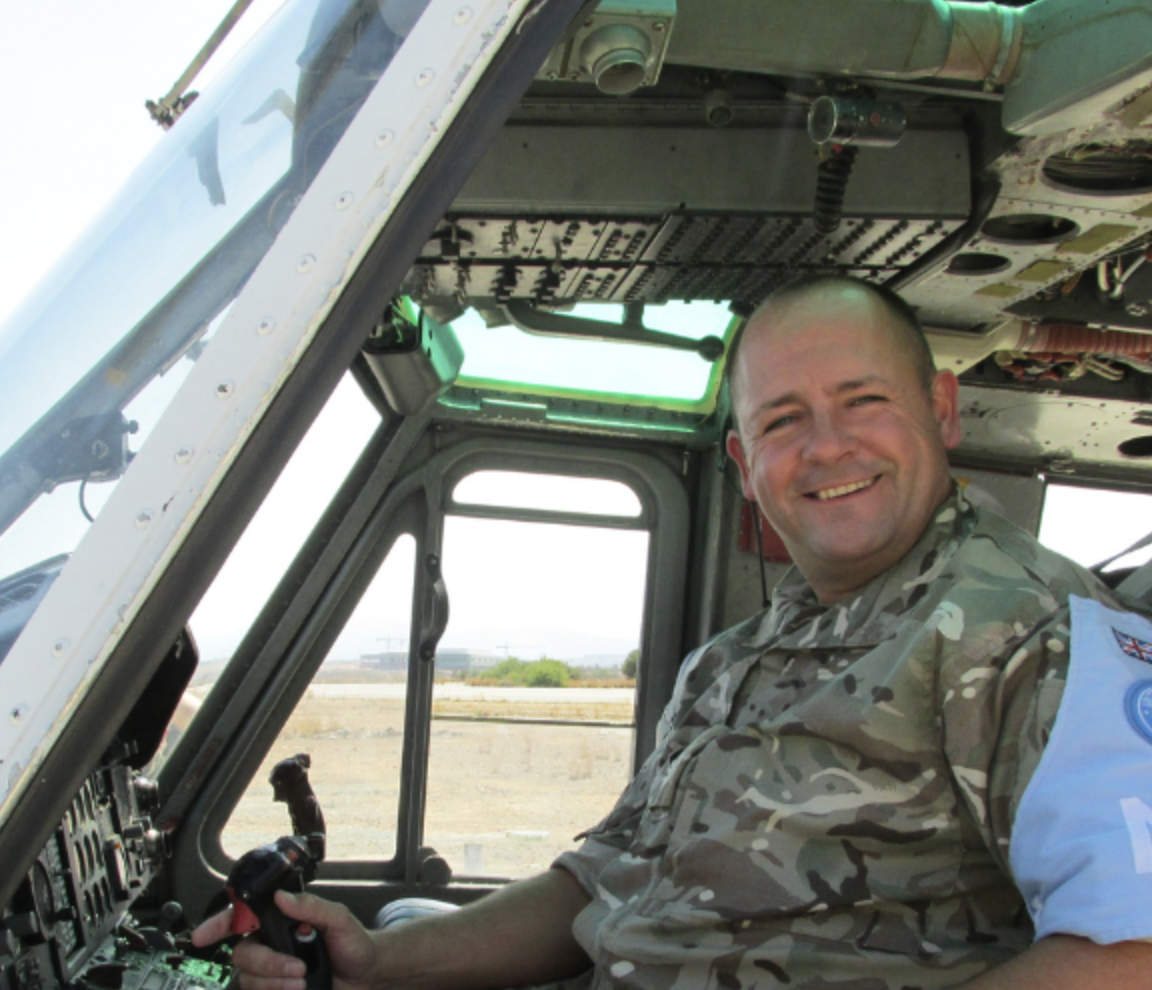
Jon Wild spent years as a military policeman with the Royal Military Police and later as a reservist. When he finally left full‑time service, he wanted a civilian job that felt meaningful.
“I knew I wanted to find a role which matched the fulfilment I want to get out of life,” he says of his decision to join Humberside Probation Service as a probation services officer in April 2001. The work gave him a sense of purpose and camaraderie similar to the Army, but it wasn’t an easy transition.
Returning to education in his fifties
Two decades into his probation career, Wild decided to formalise his experience by completing the Trainee Probation Officer (PQiP) programme. Enrolling in November 2021, he found himself back in university in his early fifties. “Being a 50‑something‑year‑old going through university was initially quite daunting,” he admits. He worried that his limited formal qualifications – “I only had GCSEs and a couple of A‑levels and thought university wasn’t for me” – would hold him back. Younger classmates coming straight from university made him question whether he still belonged in the classroom.
 |
Get weekly jobs and transition advice. Unsubscribe anytime. |
Wild overcame his nerves by leaning on colleagues and course tutors. “With the support from probation colleagues around me, I realised I could” succeed, he says. The probation service nurtured and developed his potential, pushing him toward management roles after he qualified. Online learning tools also helped: the course offered a weekly study day, and lectures could be downloaded to fit around work and family commitments. Despite balancing a full‑time job, reserve service and family life, he found his grades were better than expected. For other veterans considering training, Wild’s says that, if he can complete a professional qualification in his fifties, “there’s nothing to stop anybody who’s got something about them” from doing the same.
Making military skills count
Wild believes the probation service appeals to former soldiers because it offers a sense of belonging and team spirit. “It’s a hard job but it gives a sense of belonging to an organisation that I think people who come from the military will respond well to,” he says. Skills drilled into soldiers – leadership, self‑management and a desire to develop others – translate directly into managing offenders.
He also highlights less obvious qualities. Emotional intelligence, built through deployments and separations from family, helps probation officers navigate stressful situations and support people with complex needs. Senior ranks act as role models in the Army, and Wild sees probation work the same way: “I try and show offenders positive behaviours like being responsible and be more integrated within society.”
Serving two uniforms
Even after leaving full‑time military service, Wild continued to serve in the Army Reserve. Today he is the operations lead for veterans in Hull and East Riding and helps develop support options for ex‑military offenders. He also trains new Army reservists and regularly deploys overseas. Wild credits the probation service for making his dual roles possible: colleagues stay in touch during deployments, he is given extra leave to meet his reservist commitments and, when he returns, he feels like he never left. “What I love about probation is the phenomenal support they’ve given me to engage with the Army Reserve,” he says.
Advice for fellow veterans
Wild wants other service leavers to know that a second career in the justice system is achievable. He endorses the Ministry of Justice’s Advance into Justice scheme, which offers veterans guaranteed interviews and the chance to secure a job before leaving the military. “As a member of the armed forces, I can attest to a career in the justice system being an enjoyable and rewarding second career,” he says. He encourages veterans to recognise that their military skills are fully transferable and to seek out employers who value them.
For veterans wrestling with doubts about education or concerned about starting at the bottom again, Wild’s story offers practical lessons. Find a role that resonates with your sense of purpose. Use military discipline and planning to juggle work, study and family. Ask for help — whether from colleagues, tutors or veteran networks – and accept that you will learn from younger peers. And don’t assume your first civilian role is the final destination; for Wild, joining the probation service opened up a career he never expected but now would not change for anything.